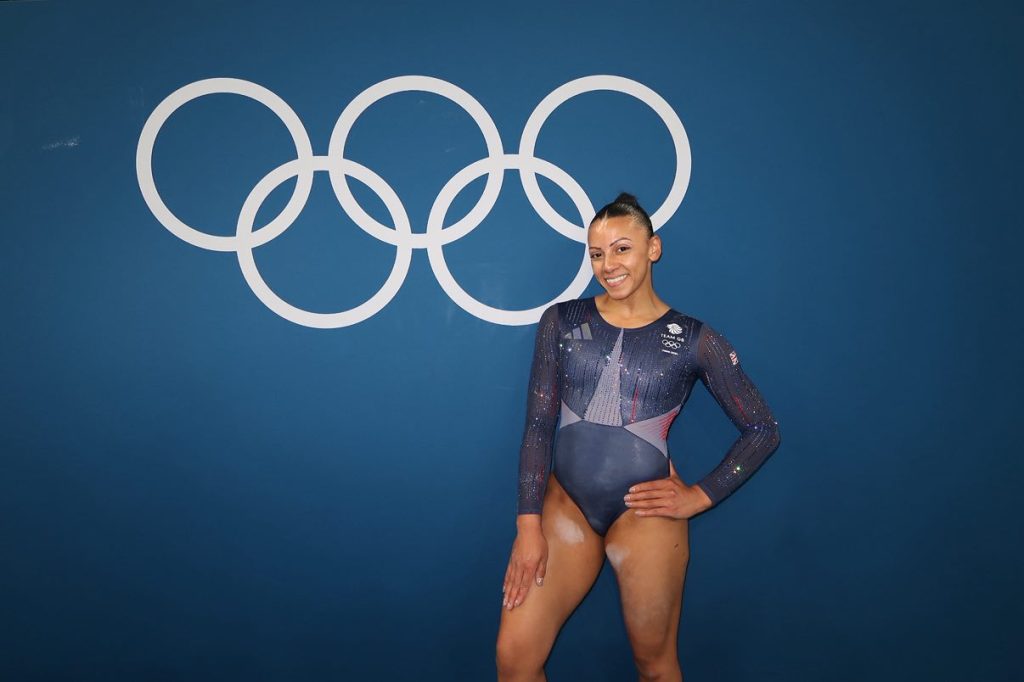
Becky Downie’s gymnastics career is remarkable in so many ways. The highs and lows alone could put an Alton Towers rollercoaster to shame, but what makes her story even more powerful is her role beyond the sport. She’s been instrumental in the Gymnasts’ Alliance movement and in pushing for the subsequent Whyte Review –an independent investigation into allegations of mistreatment in gymnastics– proving that her influence reaches far past medals and podiums. Since making her senior debut in 2008, Becky has been a cornerstone of British gymnastics: a steady, elite performer, a multiple-time European champion, and Worlds medalist. But it was the most recent Olympic cycle that tested her resilience in ways she never could have imagined.
Coming off the back of the emotionally charged Tokyo cycle – a period marked by personal tragedy following the death of her brother Josh and disappointment in not being named to the Olympic team – Downie returned to the sport feeling displaced within the very system she had helped elevate. “I didn’t feel comfortable within the organisation after Tokyo,” she reflects. “That whole experience with me and Ellie [Downie’s younger sister], and everything that surrounded it, was extremely hard to come back from.”
Though she’s always been known for her mental resilience, something was different this time. “As time went on, my body physically wasn’t coping,” she says. Sporadic, undiagnosed migraines began to plague her training. Going upside down, a routine action in gymnastics, would trigger dizziness. This was compounded by bouts of illness which further disrupted her planned training blocks, leaving her behind where she wanted to be for competition readiness.
“I felt like I was at rock bottom,” Downie admits. “I’d gone from being at the top of the squad to fighting just to be seen again. And it didn’t feel like I could just come back and be on the team – I felt like I had to be better than everyone else, just to get a look in.”
In 2022, half way through the preparations in the Paris Olympic cycle, an Achilles injury forced her to step back. Paradoxically, it was a turning point. “It was a bit of a blessing in disguise,” she says. “It allowed me to go back to floor and vault how I wanted to.” But even as her body healed, her mental health continued to be a barrier to where she wanted to be.
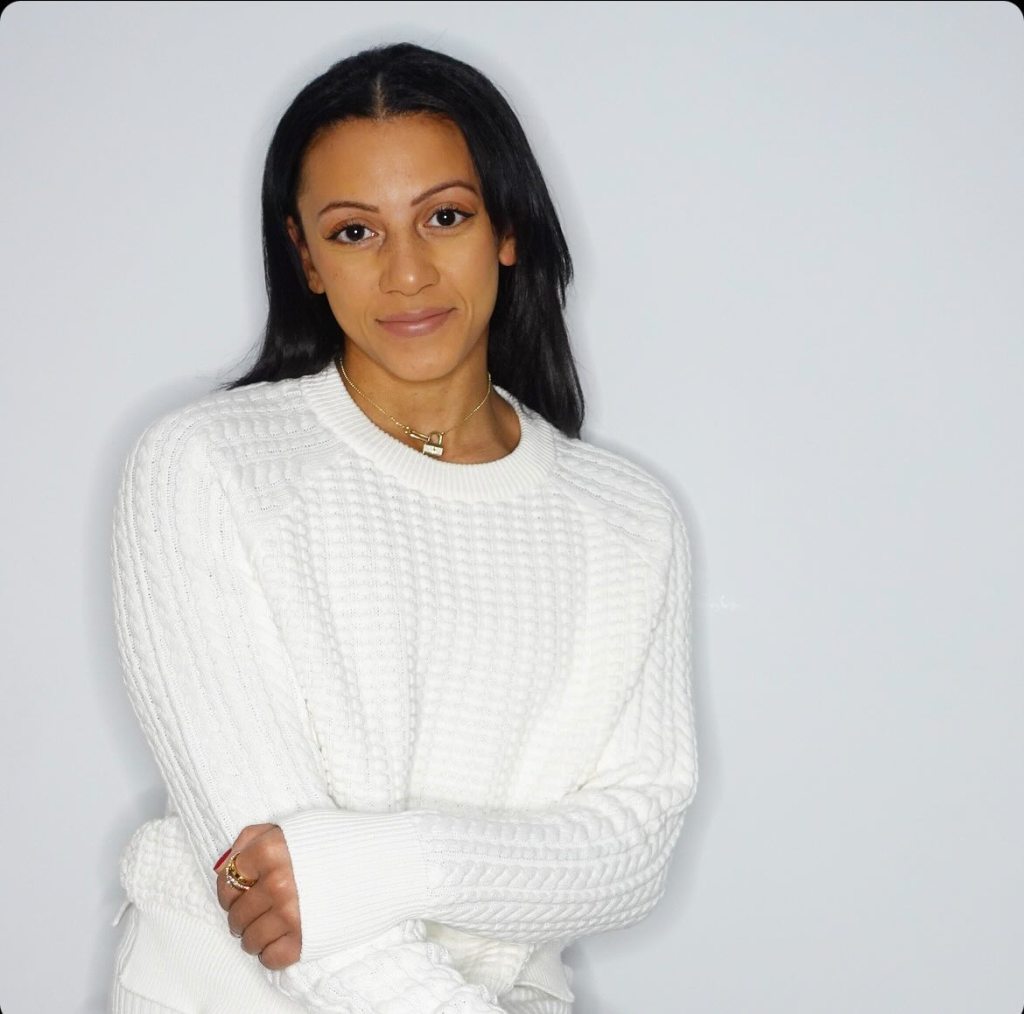
It wasn’t until 2023 that she truly grasped the extent of what she was battling. “I started working with a psychologist and learned that I had something very similar to PTSD – specifically triggered by being at Lilleshall”, she explains. “The only way I could describe it was: it felt like my brain was injured. Normally I can overcome hurdles. But this was different. My brain wasn’t working like it used to, and I couldn’t fix it.”
National training camps at Lilleshall, a core part of the selection process for international teams, became a source of anxiety and physical relapse. The migraines worsened, her immune system faltered, and her ability to perform suffered. “I almost blacked out on bars. But I didn’t want to say anything because I thought people would just say I was making excuses.”
Eventually, at the end of 2024, Downie reached her breaking point. “After British Championships, I said, ‘I’m done. I know my gymnastics is ready, but my brain isn’t. I can’t keep doing this.’ she said. It was then that British Gymnastics leadership, particularly Technical Advisor Scott Hann and Performance Director Tracy Whittaker-Smith, stepped in with unprecedented support.
Instead of the traditional prep camp at Lilleshall, they allowed Downie to train from her home base in Nottingham. Weekly visits from national staff, remote video assessments, and an open communication channel kept her integrated into the process. It was the kind of arrangement that would once have been unthinkable in the world of British gymnastics, before Downie and the Gymnasts’ Alliance pushed for the governing body to listen more closely to athletes’ voices. Now, she was benefiting from the very system she had helped to change. “It was new territory for everyone,” she says. “But it worked.”
Her selection for the 2024 European Championships – following that remote preparation – was proof. Despite a thumb injury just before the competition, Downie delivered under pressure, helping the team to a silver medal, showing once again the value of her experience and resilience. The success paved the way for the same approach ahead of the Paris Olympics.
In Paris, Downie joined a team that blended youth and experience — a mix that could have been unstable but proved to be one of Team GB’s greatest strengths. “We didn’t treat it any differently from any other competition,” she says. “Abi [Martin] was really thrown in the deep end, but she dealt with it so well. We gelled really early at Euros, and from there we had months to figure out what worked and what didn’t.”
Despite qualifying in one of the most difficult early subdivisions, the team handled the pressure and narrowly missed out on a team bronze in the final which would have equalled their historic medal from Tokyo. Downie, competing in her third Olympics, delivered a stellar bars routine in qualification- one she knew she couldn’t have executed any better. “I was disappointed with the score, but in my heart I knew I’d done everything I could.”
Few knew she was also battling behind the scenes. At the final prep camp in Reims, a mental training exercise triggered a severe relapse. “It flared up a lot of history for me, and it was the first time the whole team saw what I was dealing with,” she reveals. “There was real concern if I’d even be able to compete.”
It was only upon arriving at the Olympic village that Downie felt her system begin to reset. “The change of environment helped me switch back on,” she says. “But I do wonder – if that week had been better, would the outcome in the final have been different?” [Downie qualified for the bars final, but fell from the apparatus, finishing in seventh place.]
Despite the pain of what she went through, she views the experience with perspective. “I’ll never want to repeat those years of my life again,” she says. “But I also think: if I could do all of that in such a bad state, what could I do with a clear head?”
Following the Paris Olympics, Downie underwent tests on a lump she had noticed in her abdomen the run-up to the Games, which doctors had chalked up to tight muscles. Further investigation revealed multiple large uterine fibroids that required removal. While such procedures are usually performed via keyhole surgery, the size of her fibroids meant a full operation was necessary, comparable in scale to a cesarean section. “There isn’t much research on who’s had a C-section and returned to high-level gymnastics,” she noted, but she remained confident in her ability to rehabilitate. At a similar time, scans revealed the need for shoulder surgery, including revealing a tear in her previously “good” shoulder, necessitating back to back surgeries on both shoulders in January and February 2025.
The setbacks were significant, but they also gave her time to pause — something rare in her almost 20 year international career. That pause has allowed her not only to heal but to imagine what might still be possible. Downie is now looking ahead to the 2028 Olympic Games in Los Angeles — her sixth Olympic cycle, which would make her career one of the longest in elite gymnastics history. Whether or not she makes it there, her Paris campaign already stands as a remarkable testament to resilience, adaptability, and quiet triumph in both British and global gymnastics.
Article by Katie Couldrey

 Tumble Talk
Leave a comment